
Understanding Homeowners Insurance Storm Damage Coverage ...
Filing a storm insurance claim in Understanding? Learn your rights, documentation requirements, and how to fight a denied or underpaid claim.

2/10/2026 | 1 min read
Storm Claim Denied or Underpaid? Check Your Options
Storm claims require fast action. Take our 2-minute qualifier — free, no obligation.
See If You Qualify — Free Eligibility Check →No fees unless we win · Takes under 2 minutes · No obligation
Understanding Homeowners Insurance Storm Damage Coverage in Florida
Navigating the Complexities of Storm Damage Claims in the Sunshine State
As a homeowner in Florida, you understand the importance of having robust homeowners insurance to protect your most significant investment. However, when severe storms strike, the process of filing a successful claim for storm damage can be complicated and often contentious. This comprehensive legal article aims to guide you through the intricacies of homeowners insurance storm damage coverage, focusing on the unique challenges and considerations in the state of Florida.
The Basics of Homeowners Insurance Storm Damage Coverage
Homeowners insurance policies typically include coverage for a range of perils, including damage caused by storms. This can encompass damage from high winds, hail, heavy rain, and even tornadoes. However, the specific coverage and exclusions can vary widely between insurers and policy types. It is essential to thoroughly review your policy and understand the details of your coverage to ensure that you are adequately protected.
In Florida, where hurricanes and tropical storms are a significant concern, homeowners insurance policies may have specific deductibles and coverage limits for hurricane-related damage. These can often be higher than the standard deductibles and limits for other types of storm damage, so it is crucial to be aware of these nuances.
Common Storm Damage Claims and Coverage Considerations
When a storm strikes, the potential for damage to your home and property is extensive. Some of the most common types of storm damage claims include:
- Roof Damage: High winds, hail, and falling debris can cause significant damage to your roof, leading to leaks and further interior damage.
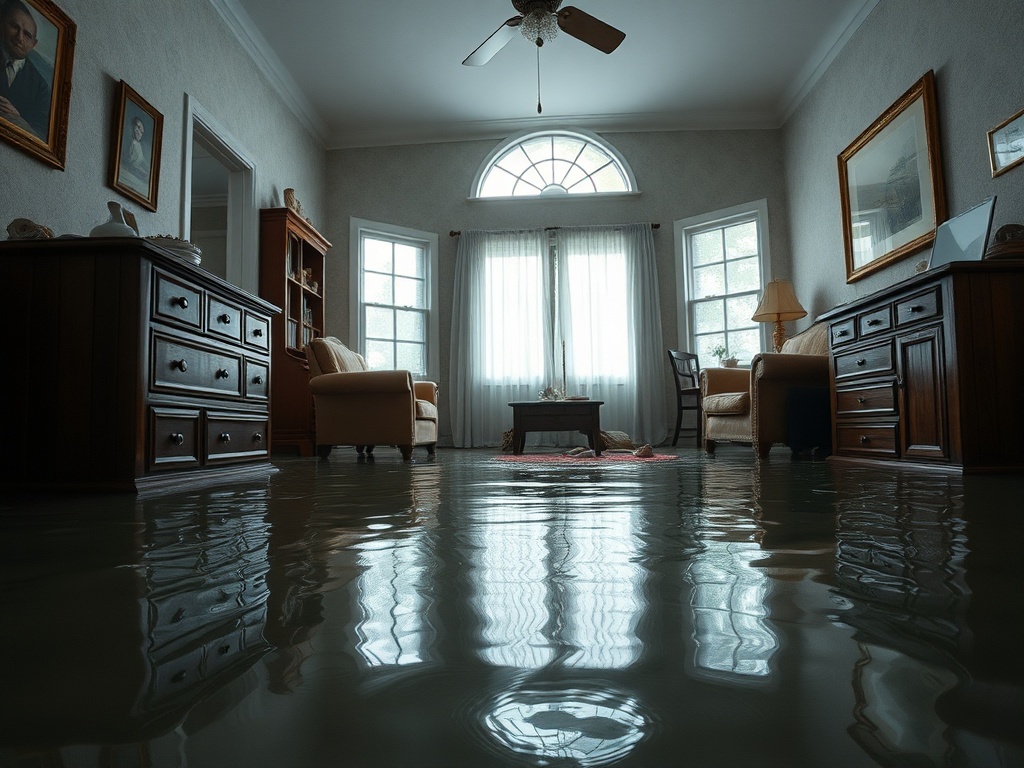
- Water Damage: Heavy rain can lead to flooding, leaks, and water intrusion, causing damage to walls, floors, and personal possessions.
- Exterior Damage: Siding, windows, and other exterior components of your home may be vulnerable to the force of storms, requiring repair or replacement.
- Landscaping and Outbuildings: Trees, fences, and detached structures on your property can also be impacted by severe weather, potentially leading to additional claims.
When filing a claim for storm damage, it's essential to document the extent of the damage thoroughly, collect receipts for any emergency repairs, and work closely with your insurance provider to ensure that your claim is processed efficiently and fairly.
Navigating the Claims Process in Florida
The claims process for storm damage can be complex, and navigating the unique legal and regulatory environment in Florida can present additional challenges. Some key considerations include:
- Timely Reporting: Florida law typically requires homeowners to report claims within a specific timeframe, often 60-90 days, to ensure that the damage is properly assessed and addressed.
- Deductibles and Limits: As mentioned earlier, Florida homeowners insurance policies may have higher deductibles and coverage limits for hurricane-related damage. Understanding these details is crucial to accurately estimating your out-of-pocket expenses.
- Public Adjuster Assistance: In Florida, homeowners have the option to hire a public adjuster to represent their interests in the claims process, which can be particularly helpful for complex or disputed claims.
- Disputed Claims and Litigation: Unfortunately, some homeowners may experience challenges with their insurance providers, leading to disputes over coverage or the extent of the damage. In these situations, seeking legal counsel may be necessary to protect your rights and ensure a fair resolution.
Proactive Steps for Homeowners
While dealing with the aftermath of a storm can be overwhelming, there are proactive steps that Florida homeowners can take to protect themselves and their property:
- Review and Understand Your Policy: Thoroughly review your homeowners insurance policy, paying close attention to the coverage details, exclusions, and any specific provisions related to storm damage and hurricane coverage.
- Maintain Accurate Documentation: Keep detailed records of your home's condition, including photographs and receipts for any repairs or improvements. This documentation can be crucial in the event of a claim.
- Conduct Regular Inspections: Regularly inspect your home, focusing on the roof, exterior, and landscaping, to identify any potential vulnerabilities or areas that may require maintenance or repair.
- Implement Storm-Resistant Measures: Consider investing in storm-resistant upgrades, such as impact-resistant windows, reinforced roofing, or a whole-home generator, to enhance your property's resilience and potentially qualify for insurance discounts.
Need Help? If you have questions about your case, call or text 833-657-4812 for a free consultation with an experienced attorney.
Related Articles
Is your insurance company handling your claim fairly?
Answer 5 questions. We'll analyze your claim against Florida property insurance law and show you exactly where you stand.
General information only, not legal advice. Based on Florida insurance law and claim best practices.
Get Your Free Property Damage Checklist
24-step claim guide — protect your rights after damage to your home
Free. No spam. Unsubscribe anytime.
Storm Claim? Find Out If You Qualify — Free Case Review
No fees unless we win · 100% confidential · Same-day response
★★★★★ 4.7 · 67 Google Reviews
What Our Clients Say
Real reviews from real clients who fought their insurance companies — and won.
"Citizens denied our roof leak claim, but this firm fought for us and got money for our repairs. We even had funds left over after fixing the roof."
"Pierre and his team are amazing. They truly cater to their clients and help you get the most from your insurance company."
"When my insurance company denied my roof damage claim, Louis Law Group stepped in and fought for me. I'm extremely satisfied with the results they obtained."
"They accomplished exactly what they set out to do and helped me finally receive my insurance check."
"Louis Law Group handled our homeowners insurance dispute and got results much faster than we expected. Excellent service and great communication."
"Very professional attorneys with outstanding attention to detail. They will not stop fighting for their clients."
* Reviews from Google. Results may vary by case.
How it Works
No Win, No Fee
We like to simplify our intake process. From submitting your claim to finalizing your case, our streamlined approach ensures a hassle-free experience. Our legal team is dedicated to making this process as efficient and straightforward as possible.
You can expect transparent communication, prompt updates, and a commitment to achieving the best possible outcome for your case.
Free Case EvaluationLet's get in touch
We like to simplify our intake process. From submitting your claim to finalizing your case, our streamlined approach ensures a hassle-free experience. Our legal team is dedicated to making this process as efficient and straightforward as possible.
12 S.E. 7th Street, Suite 805, Fort Lauderdale, FL 33301